You Won't Believe How Much Exercise It Takes to Get 'Substantial' Heart Protection
New research suggests that it might take four times the current recommended level of exercise to significantly lower your odds of cardiovascular disease.
Stay up to date with the latest research, tips, and trends in fitness, nutrition, and weight management.
New research suggests that it might take four times the current recommended level of exercise to significantly lower your odds of cardiovascular disease.
A new study has identified mutations in a single gene as the cause of a previously unrecognized spectrum of severe neurological disorders ranging from fatal prenatal conditions to progressive neurodegenerative disease in childhood, according to a study published in the Journal of Clinical Investigation.
A 28-year-old cystic fibrosis patient underwent a 36-hour quadruple organ transplant for both lungs, a liver, and a kidney.
Nishtar Hospital has launched an inquiry after a patient reportedly underwent surgery without HIV screening and later tested positive.
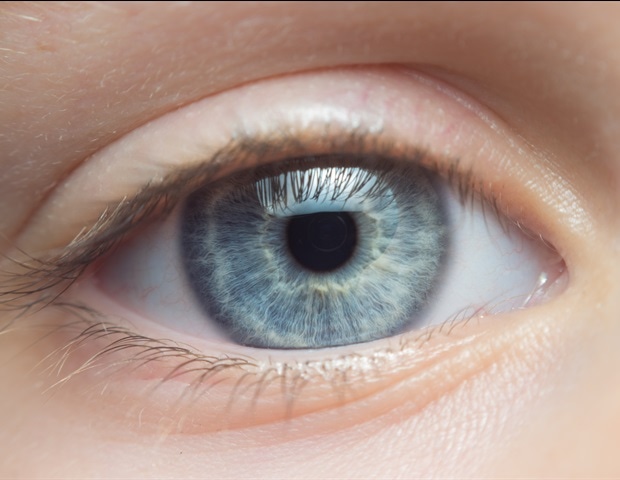
Researchers at Baylor College of Medicine and Okayama University in Japan have developed and tested in mice a promising new eye drop formulation for treating dry eye disease.
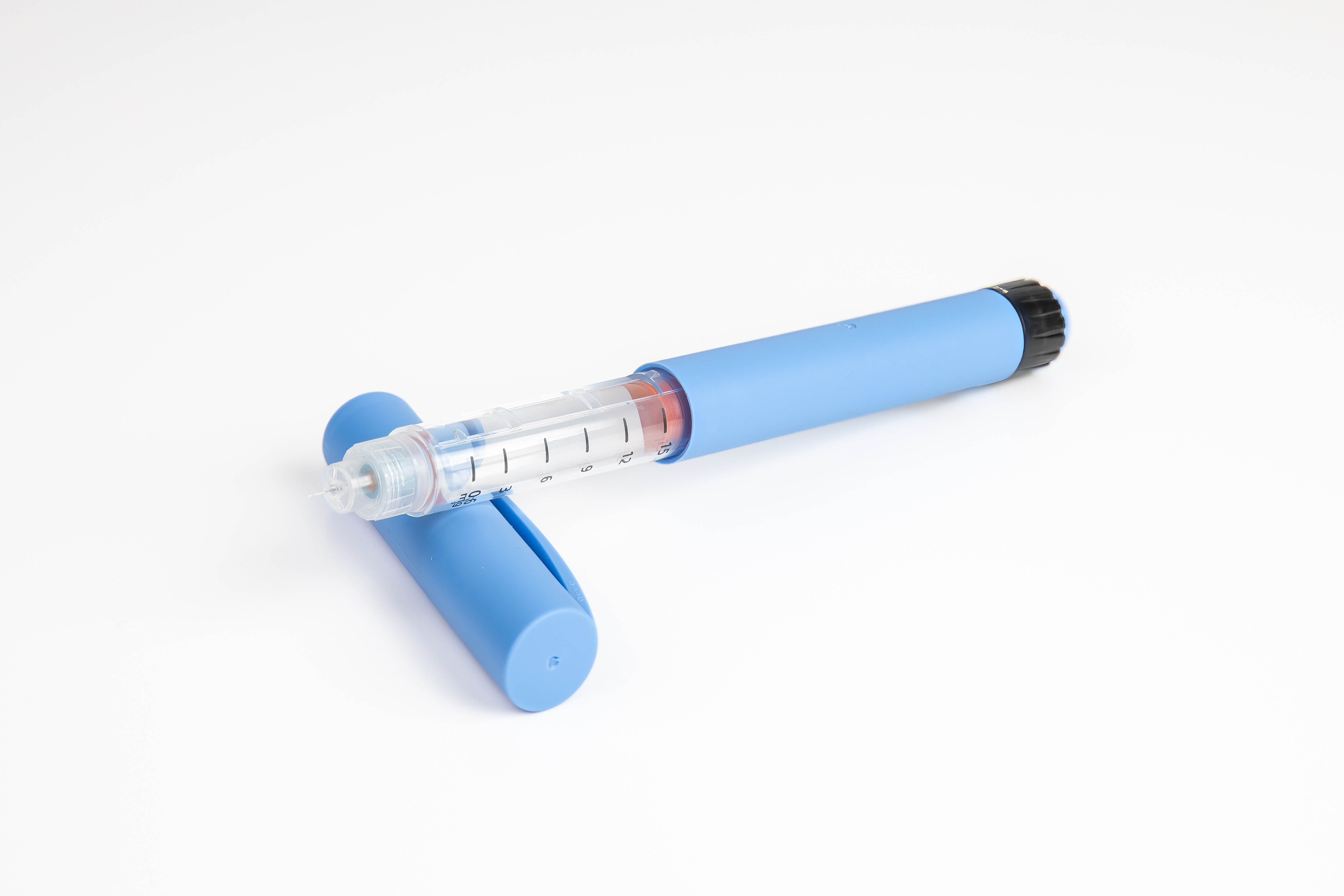
Real-world data suggest that GLP-1 receptor agonists (RAs) may reduce metastatic progression in certain obesity-related cancers, particularly lung, breast, colorectal, and liver cancers. Investigators...
A new research paper was published in Volume 13 of Oncoscience on April 2, 2026, titled "Selective blood–brain barrier penetration and tumor targeting of nitrosylcobalamin in glioblastoma: Pharmacokinetics, tissue distribution, and synergistic activity with trail and temozolomide."
The WHO has declared the outbreak of the virus's Bundibugyo strain, for which there is no vaccine, a public health emergency of international concern.
Researchers have developed a technique that can identify errors caused by mutations linked to a range of genetic disorders, including forms of muscular dystrophy, Huntington's disease and amyotrophic lateral sclerosis (ALS), which could accelerate accurate diagnosis of these conditions. The technique, developed by researchers led by the University of Cambridge, uses RNA samples stretched into usable shapes and tiny glass holes known as nanopores, to analyze sections of RNA that have multiplied far beyond their normal length.
Traditionally, patients suffering from haemorrhoids have undergone treatment through open surgery.